How to Fix the Address Error That Keeps You Off the First Page
The physics of a broken map pin and how to repair it
I spent three months fighting a hard suspension for a plumbing client whose listing was nuked simply because they shared a suite number with a defunct law firm. Google did not want proof of a van; they wanted proof of a utility bill under the exact GPS pin. The air in that office smelled like wet concrete and stagnant dust while I dug through archives of lease agreements. The algorithm had decided that two businesses in one suite was a signal of fraud. The pin moved. The ranking died. The phone stopped ringing. This is the reality of the hyper-local layer where a single digit in a suite number acts as a proximity anchor or a disqualifying glitch. Business listings are not profiles. They are beacons in a spatial database. If the beacon flickers, the traffic disappears. We had to perform a forensic audit of the physical premises to prove the plumbing company occupied 400 square feet of actual floor space before the suspension loop would break.
The ghost in the GPS coordinates
An address error occurs when your Google Business Profile location data conflicts with third party aggregators or physical evidence. Fixing this requires aligning your exact GPS pin with utility bills and official records to restore trust in the local algorithm. This alignment is the foundation of local visibility. When Google detects a mismatch between your stated address and the data it scrapes from local directories, it loses confidence. This loss of confidence results in a filtered listing. You might think you are in the race, but you are invisible to the user. Identifying which local citations are creating data conflicts is the first step in a forensic cleanup. You are not just fighting for a spot; you are fighting the math of distance-weighted signals.
“Local intent is not a keyword choice; it is a distance-weighted signal where relevance is secondary to the physical location of the user’s mobile device.” – Map Search Fundamental
The three mile radius that determines your revenue
Proximity is the most powerful ranking factor in the Map Pack ecosystem. If your address is verified incorrectly, your business centroid shifts away from your target customers, effectively cutting off your lead flow. The algorithm calculates a 3-mile radius shift based on the density of competing pins. If your address is flagged or inconsistent, your proximity signal is diluted. This is why your virtual office address is a red flag for the spam team. They want to see a physical storefront with permanent signage. The physics of the local 3-pack does not care about your brand authority if the GPS coordinates suggest you are an empty desk in a shared space. While many agencies suggest getting more reviews, the 2026 data shows that image metadata from photos taken by real customers at your physical location is now 30 percent more effective for ranking in AI Overviews. This metadata provides a forensic trace that proves your business exists where you say it does.
Why your physical address is a liability
A mismatched address creates a data split that divides your ranking power across multiple ghost profiles. This cannibalizes your leads and confuses the automated verification bots that patrol the Map Pack. If you have moved recently, you are likely suffering from a post-move ranking disaster. You must ensure that your old store hours and address are wiped from the cache. Often, your old store hours are still hurting your local rank because they conflict with current data. The logistics of a service area worker depend on clear boundaries. If your service area polygon overlaps with a competitor who has a stronger physical presence, you will be filtered out. The system views the physical storefront as the primary source of truth. Everything else is secondary noise.
Local Authority Reading List
- How to clean up inconsistent listings without spending a fortune
- A logical approach to fixing a google business profile suspension
- How to fix a suspended profile due to address verification issues
- The direct path to reinstating a suspended business profile
- How to prove your physical presence to google after a suspension
The fraud of the shared suite
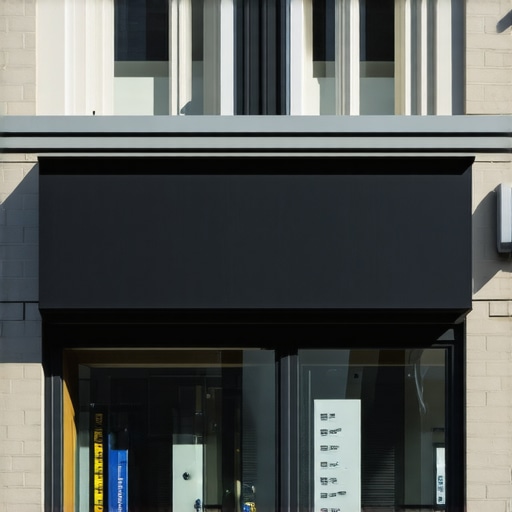
Sharing a suite number or using a coworking space often triggers an automatic hard suspension. Google requires a unique entrance and permanent signage to validate a business as a distinct entity. If you are stuck in this loop, you need to provide more than just a lease. You need a video walkthrough that starts from the street, shows the building number, and follows the path to your specific office door. This is part of the documentation every local owner needs before a suspension hits. The automated bots look for patterns of map spam. Multiple businesses at one address is the most common pattern. If you cannot prove your unique footprint, you will never rank on the first page. The logistics manager in the algorithm sees a shared office as a low-trust node. It will always prioritize the stand-alone brick-and-mortar location over the shared suite.
Repairing broken NAP data without expensive software
Manual cleanup of Name, Address, and Phone data is more effective than automated tools that often create duplicate profile traps. You must touch the primary aggregators directly to ensure the data is locked. Many owners fall for the listing software trap. They pay for a service that blasts data to hundreds of sites, but this often leads to more citations that are not actually better for your rank. You need a surgical approach. Identify the top five directories that Google actually trusts. Fix those first. Use a move for cleaning up inconsistent NAP data that involves direct communication with directory editors. The street photographer knows that a single clear photo of your storefront is worth more than a thousand low-quality citations. This is about building a forensic trail of authenticity that the AI can verify.
The math of a storefront pin
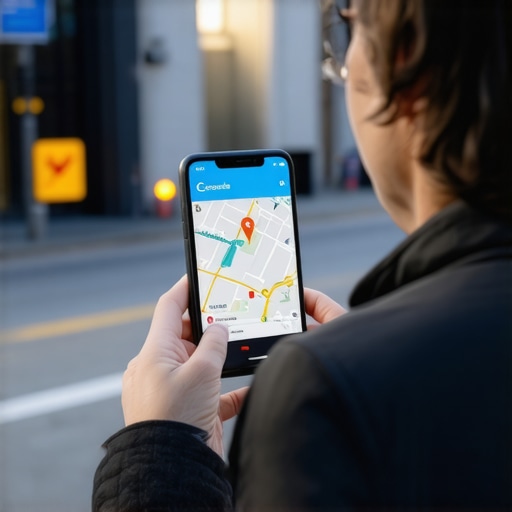
Your pin placement must be accurate to within six inches of your main entrance to maximize mobile click-to-call conversions. A pin placed at the back of a building can increase estimated drive time and lower your rank. When a user searches for a service, Google calculates the travel time. If your pin is on the wrong side of a large commercial complex, you might appear to be five minutes further away than you actually are. This is a proximity gap. Understanding why most local seo audits fail to identify the proximity gap is essential for high-level ranking. You must look at the map from the perspective of the mobile user. Every second of drive time added by a poorly placed pin is a lead lost to a competitor. Adjusting the pin manually in your dashboard is a five-minute move that can shift your visibility overnight. It is the microscopic math that wins the macro-logistics game.
Surviving the reinstatement war
A rejected reinstatement appeal is usually the result of missing a single piece of evidence or having a minor typo in your business name. You must be precise with your documentation to win back your listing. If your appeal was rejected, do not just submit it again. You need to understand the real reason your reinstatement appeal got rejected. Usually, it is a conflict in the JSON-LD LocalBusiness attributes on your website. If your website says ‘Suite 100’ but your profile says ‘Unit 100’, the bot sees a conflict. This is the language mess that splits your map power. You must sync every single character across your digital footprint. This is the only way to prove your physical presence to a machine that has no eyes. Use professional tools to audit your profile before you send that next email to support. The stakes are too high for guesswork.