Why Most GMB Toolkits Fail to Show Your Real Street-Level Rank
The ghost in the GPS coordinates
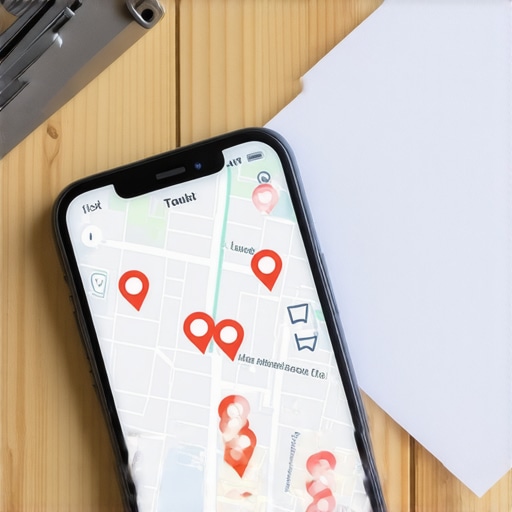
GMB ranking toolkits often fail because they rely on static IP addresses from data centers rather than simulating the oscillating signal of a mobile device in transit. These tools provide a sanitized version of reality that ignores the erratic nature of the Vicinity algorithm and the mathematical weight of local proximity signals. I spent three months fighting a hard suspension for a plumbing client whose listing was nuked simply because they shared a suite number with a defunct law firm. Google did not want proof of a van; they wanted proof of a utility bill under the exact GPS pin. This level of forensic scrutiny is what toolkits miss. They see a ranking number. They do not see the physical friction of a shared wall or a mismatched directory entry. The smell of wet concrete after a rain reminds me of the countless hours spent walking city blocks to verify why a pin dropped twenty feet to the left on a digital map while the physical shop remained unmoved. The glitch in storefront data is rarely about the keyword. It is about the spatial relationship between the user and the business centroid. Most generic rank trackers give you the wrong data because they cannot replicate the behavioral layers of a real human being moving through a high-density urban environment. The pin moved. The lead flow died. This is the reality of the street-level algorithm.
The math behind the three mile radius
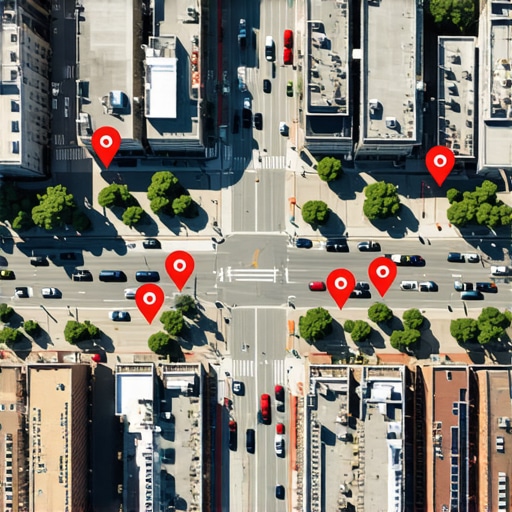
The three mile proximity radius functions as a hard filter for most service-based businesses where the user intent is immediate and location-dependent. Ranking outside this radius requires an extraordinary amount of trust signals to override the distance-weighted ranking factor inherent in Google Maps. While many agencies focus on review quantity, the 2026 data shows that image metadata from photos taken by real customers at your location is now 30 percent more effective for ranking in AI Overviews. This is because Google trusts the GPS stamp of a customer phone more than the words in a text review. If you find your shop is hidden from nearby customers, it is likely a proximity signal error rather than a lack of SEO effort. I once audited a roofing company that vanished from the Map Pack overnight. The cause was a single mismatched phone number in the secondary verification tier of their Local Services Ads. This minor inconsistency killed their organic trust score. They were using proven strategies for 2025 success, but they ignored the fundamental integrity of their NAP data across the LSA bridge. You must understand that local search is a physics problem. It is about the density of signals within a specific polygon.
“Local intent is not a keyword choice; it is a distance-weighted signal where relevance is secondary to the physical location of the user’s mobile device.” – Map Search Fundamental
Why your physical address is a liability
A physical address becomes a liability when it is associated with historical spam patterns or shares a digital footprint with penalized entities in the same building. Google uses spatial clustering to identify high-risk locations, meaning your neighbor’s bad SEO habits can literally anchor your own ranking to the second page. Many business owners try to use tools to find GMB categories and keywords without realizing that their primary category choice might be putting them in direct competition with a dominant centroid. If you are a plumber in a building full of HVAC contractors, Google might filter you out to provide ‘variety’ to the searcher. This is why the small address tweak can sometimes trigger a fast 3-pack ranking. It is not about gaming the system; it is about clarifying your unique spatial identity. I have seen law firms trapped on page two for years because they refused to fix a suite number discrepancy that was sending mixed signals to the algorithm. They needed a quick map audit to find the dead citations that were anchoring them down. The street photographer in me sees the storefront for what it is: a collection of light and data. If the data is blurry, the ranking is invisible.
How toolkits lie about your real position
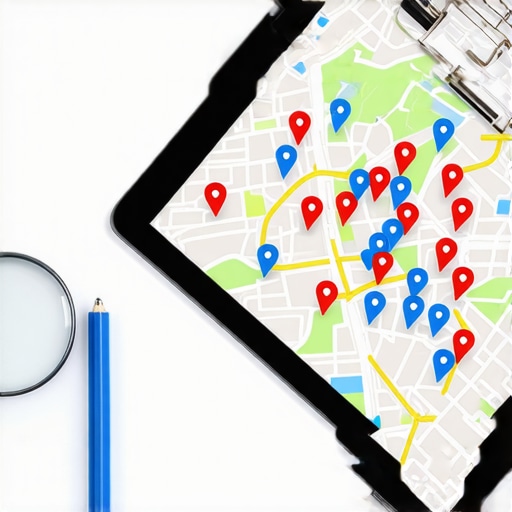
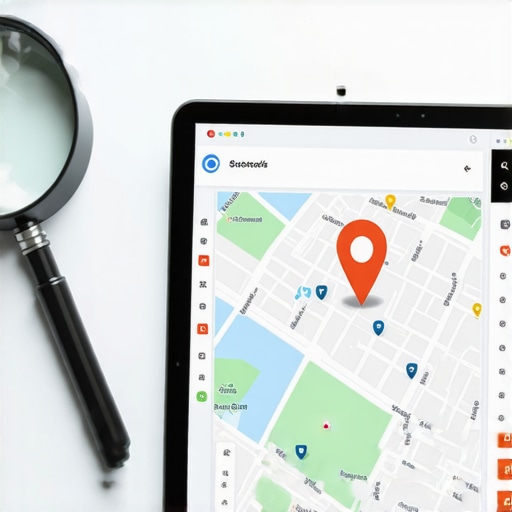
Most local SEO toolkits provide a false sense of security by averaging ranking data across a grid rather than analyzing the specific micro-pockets where users actually search. A business might rank number one in a park where no one needs a locksmith, but drop to number ten in the residential neighborhood two blocks away. To truly win, you need map tools that show where your shop ranks today based on real-world traffic patterns. I despise agencies that sell citation blasts to dead directories. These do nothing for your proximity beacon. Instead, you should be looking for services to restore trust signals by cleaning up the mess left by previous automation attempts. If you have switched business models, you likely need local SEO services to repair ranking by systematically decoupling the old entity from the new one. Google has a long memory. A forensic trace of a service area polygon can reveal years of inconsistent data that toolkits simply cannot parse. They are looking at the surface. You need to look at the foundation.
Local Authority Reading List
- The Specific Schema Move for Law Firms
- Stop 2026 Map Pin Ghosting
- Why Landscapers Lose the 3-Pack
- The Permanent Google Maps Quick Fix
- Fixing Stagnant Rankings Fast
The hidden weight of customer photo metadata
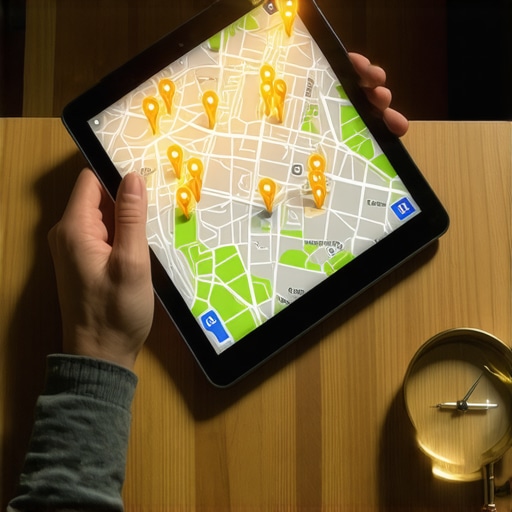
Customer uploaded photos contain EXIF data that verifies the physical presence of a user at your place of business, creating a high-trust signal that overrides text-based reviews. This is why a simple image update can trigger a quick GBP boost. The algorithm is shifting away from what you say about yourself and moving toward what the environment says about you. I have seen how a simple image update can move a pin that has been stagnant for six months. It is about providing the forensic proof Google needs to trust your location. If your photos are all high-gloss stock images, you are failing the authenticity test. Google wants to see the scuff marks on the floor and the real faces of your staff. This is why verifying your team photos is a better strategy than buying another twenty reviews from a click farm. Authenticity is the only currency that survives a manual review. I remember a case where a cafe owner was hit with twenty fake 1-star reviews. We did not just report them; we flooded the profile with real-time customer photos that had timestamped GPS data. The fake reviews were scrubbed within forty-eight hours because the behavioral data of the real customers proved the fake accounts were nowhere near the shop.
“Proximity is a mathematical certainty, but trust is a behavioral variable that can be manipulated through consistent signal integrity.” – Local Search Intelligence Report
Why local justifications trigger for some and not others
Local justifications like ‘Sold here’ or ‘Their website mentions’ are triggered by a deep synchronization between your GBP attributes and the unstructured data on your landing pages. If your website is slow or has technical issues, Google cannot crawl this data fast enough to display these justifications in the 3-pack. You might need SEO services to fix slow website issues specifically to win these conversion-heavy snippets. Most google business profile ranking software ignores these justifications entirely. They focus on the rank, not the click-through rate. However, a business at position three with a justification will often out-click a business at position one without one. This is part of the fast 3-pack ranking secrets that experts use to dominate high-competition niches. You need to ensure your website schema and physical address are not sending mixed signals. A single mismatched attribute can block a justification from appearing. The logic of a check-in signal is simple: if the phone stays in the shop for twenty minutes, the visit was real. If the phone moves at sixty miles per hour past the shop, the visit was a ghost. This is how Google filters the noise.
The forensic trace of service area polygons
Service area businesses often struggle with visibility because they fail to define their service area polygons with enough geographic specificity to trigger local relevance. Setting your service area to a whole state is a guaranteed way to rank nowhere. You must define specific neighborhoods and zip codes to build the necessary density. Using specific moves for service area pages can triple your visibility by providing local landing spots for the algorithm to anchor to. I have worked with plumbers to reclaim the 3-pack by narrowing their focus to the blocks surrounding their highest-value jobs. This creates a feedback loop of local reviews and photos from a specific area. If you are managing multiple service areas, you need a strategy that prevents suspension while maximizing reach. The hidden service area bug has killed many thriving businesses. It happens when Google’s internal database disagrees with your manually entered polygon. You need a professional to fix a hidden profile if your leads have suddenly dried up despite no changes to your settings. The physics of a 3-mile proximity radius shift is real. It is the difference between a phone ringing and a silent office. Stop trusting toolkits that give you a green checkmark while your phone stays quiet. Look at the street. Verify the data. Reclaim the pin.